Protector
The Protector personality type is characterized by a deep-seated commitment to the well-being of others. Known for their nurturing nature, Protectors possess an innate ability to empathize with those around them, often prioritizing the needs of family, friends, and the community above their own. They are driven by a strong sense of duty and responsibility, making them reliable and trustworthy individuals who others can count on in times of need. With a keen intuition, Protectors can often sense unspoken emotions and offer comfort and support, creating a safe haven for those they care about.
Protectors are also known for their strong moral compass, guided by principles that shape their actions and decisions. They strive to uphold values such as justice, fairness, and compassion, which often inspires them to advocate for those who are vulnerable or marginalized. This unwavering dedication to protecting others can manifest in various ways, whether through volunteer work, mentorship, or simply being a shoulder to lean on. While they may sometimes neglect their self-care in their pursuit of helping others, Protectors are profoundly devoted to fostering harmony and ensuring that everyone around them feels valued and cared for. Their presence is a source of strength and assurance, making them indispensable pillars of support in their communities.
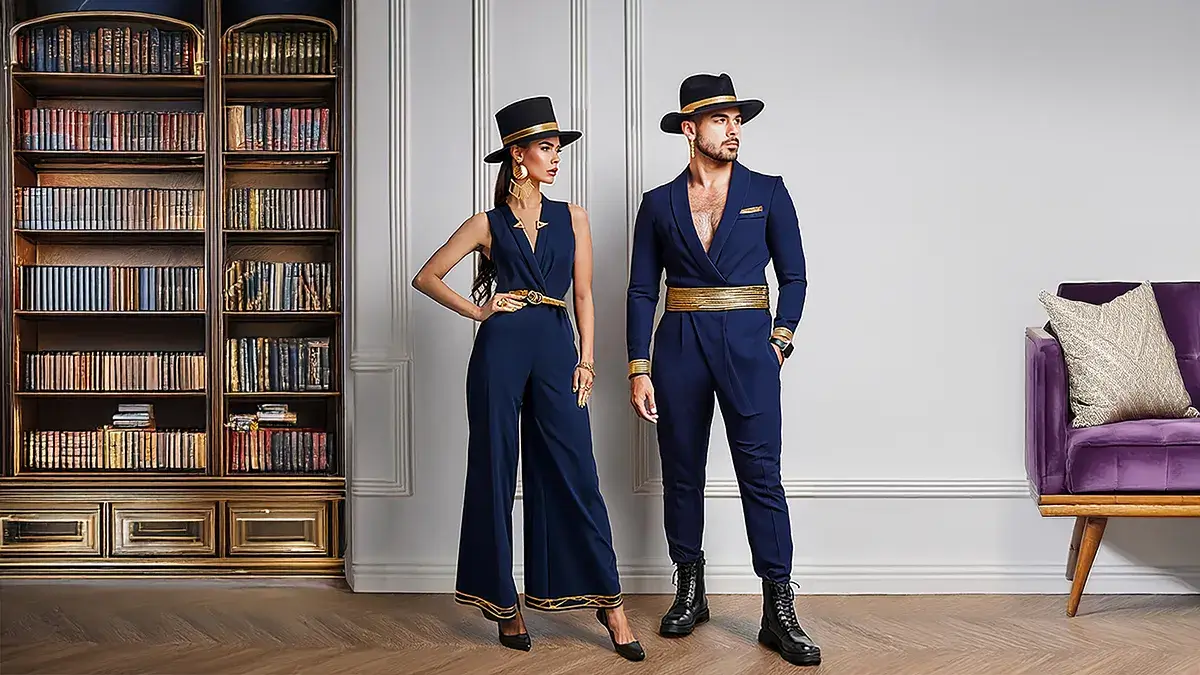
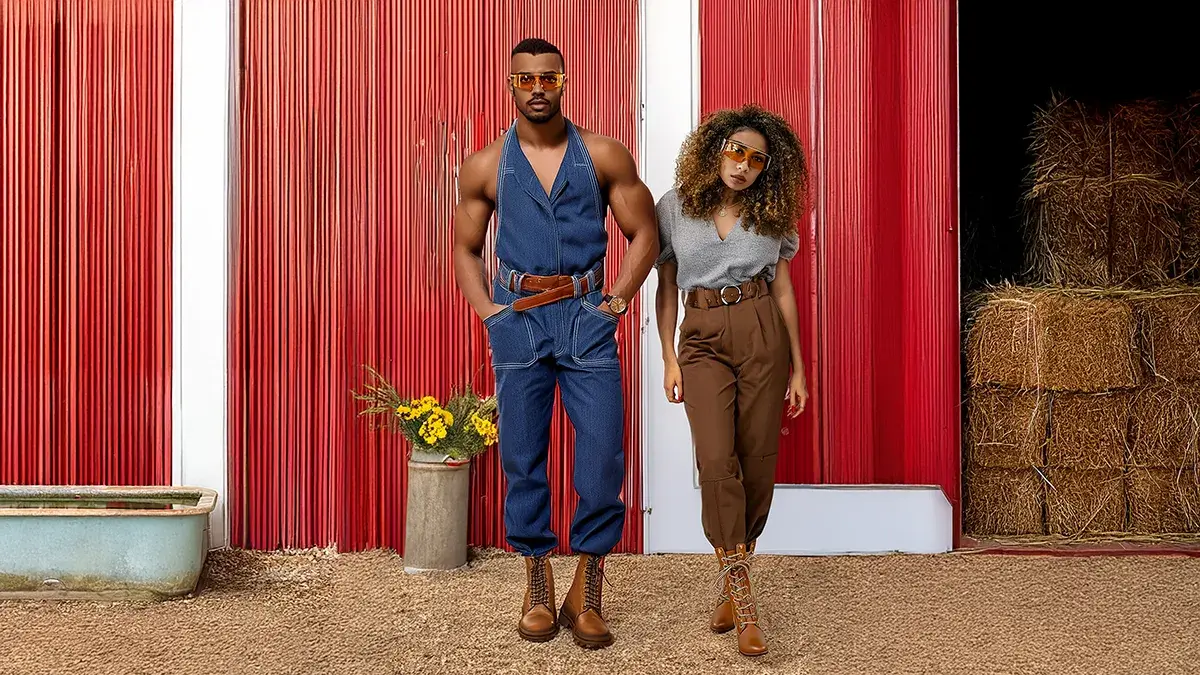
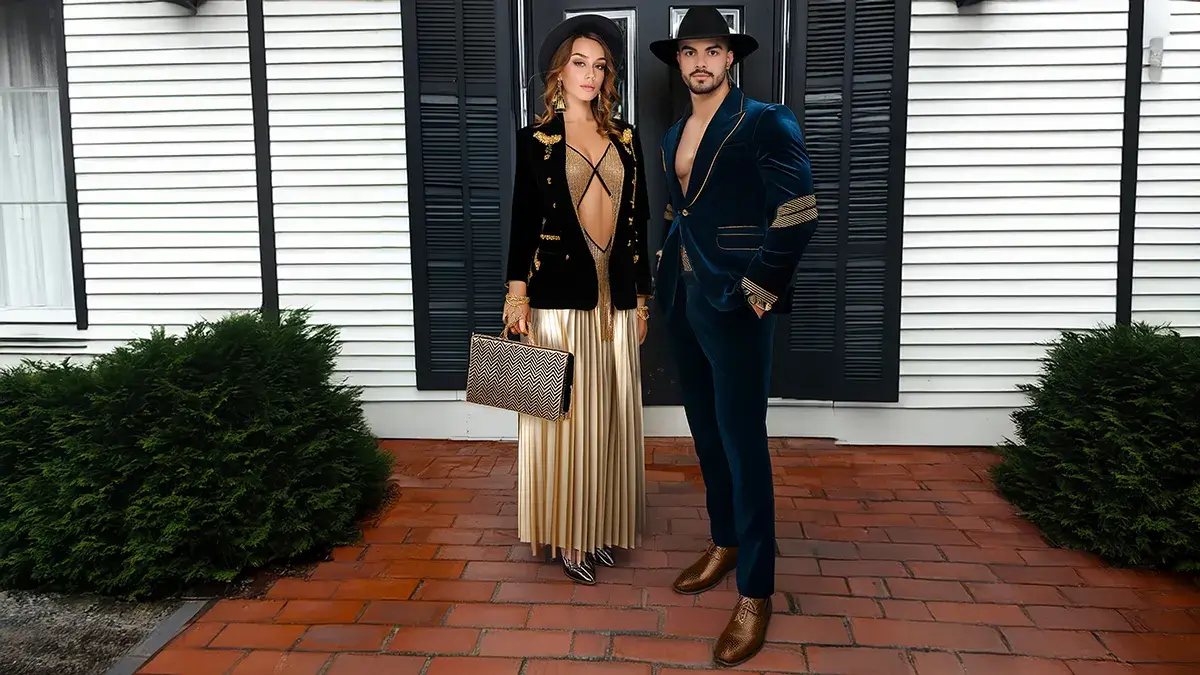
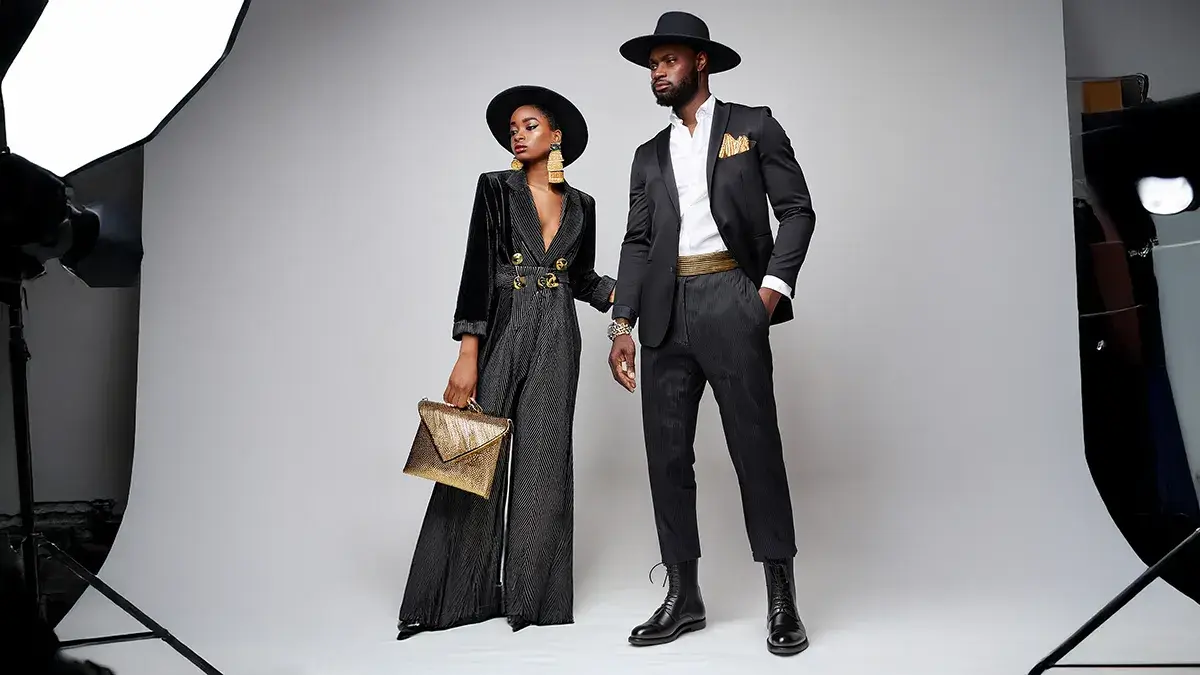
Goal: To develop a strong sense of awareness and responsibility towards others through elegance and modernity.
Structured, tailored silhouettes: Emphasize reliability and strength, reflecting the structured designs of Art Deco.
Geometric patterns: Use bold, geometric prints and patterns to represent the modernity and elegance of the movement.
Rich, luxurious fabrics: Incorporate materials like silk, velvet, and brocade to evoke a sense of sophistication and care.
Monochromatic and metallic color palettes: Utilize black, white, gold, and silver to convey a sense of stability and timeless elegance.
Minimalist yet bold accessories: Choose statement pieces that are both functional and stylish, such as sleek jewelry and elegant hats.
Clean lines and symmetry: Focus on symmetrical designs to represent balance and a strong moral compass.
Artistic details: Include elements inspired by architecture and fine art to symbolize the importance of community and cultural heritage.
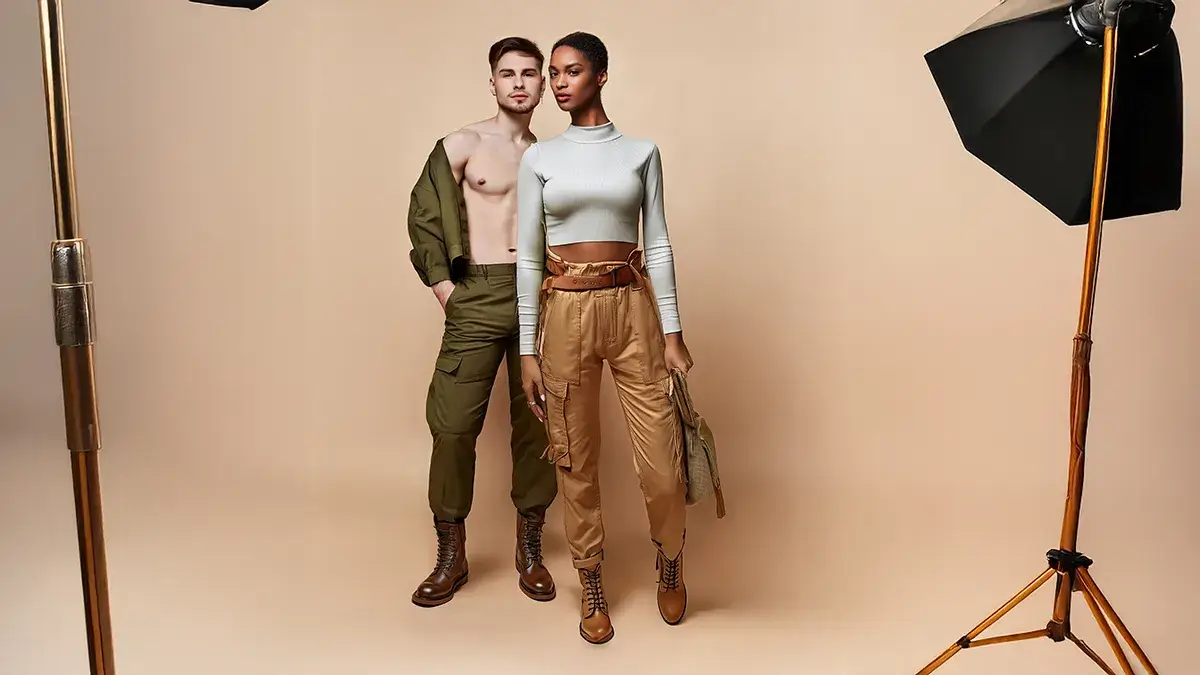

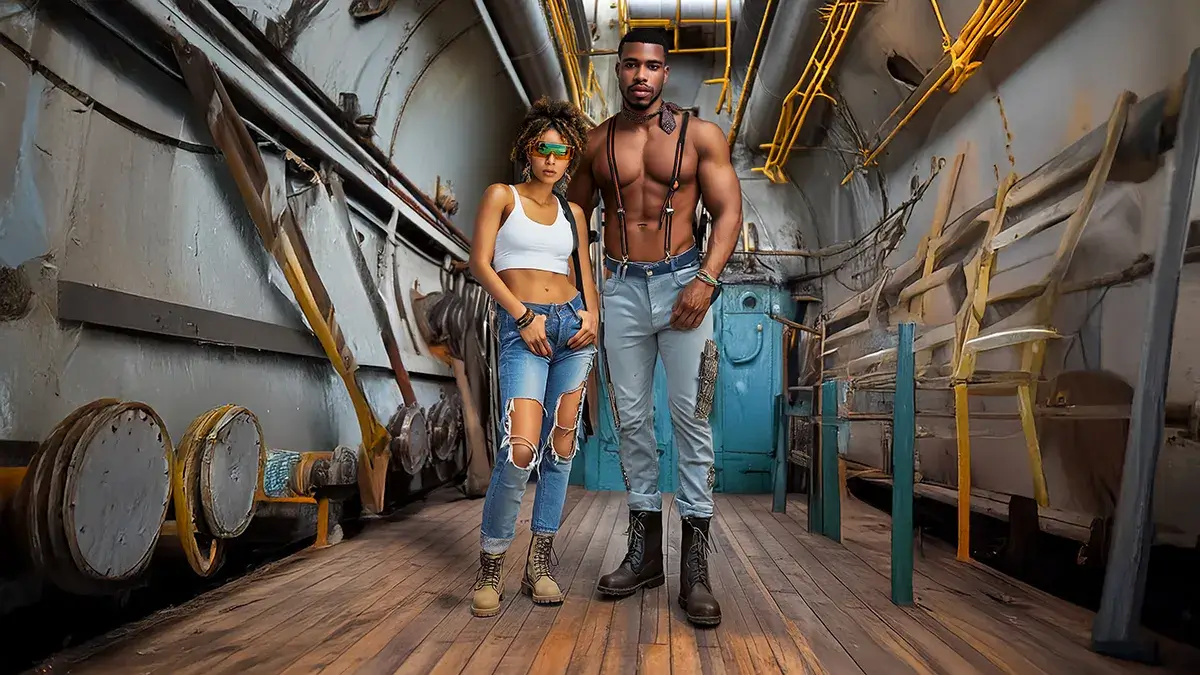
Goal: To embody the essence of efficiency and functionality, expanding responsibilities and advocating for others.
Utilitarian, functional clothing: Choose practical and durable fabrics like denim, canvas, and wool to reflect the efficiency of Industrialism.
Neutral, earthy tones: Use a color palette of browns, grays, and greens to convey a connection to the working class and the natural world.
Workwear-inspired designs: Incorporate elements like overalls, jumpsuits, and utility jackets to emphasize practicality and resilience.
Layering for versatility: Layer garments to adapt to different environments and tasks, highlighting adaptability and preparedness.
Sturdy, functional accessories: Opt for accessories like belts, backpacks, and boots that add to the functional aspect of the outfit.
Simple, clean aesthetics: Focus on clean lines and minimal embellishments to prioritize functionality over decoration.
Mechanical and industrial details: Include elements inspired by machinery and industrial design to symbolize progress and innovation.
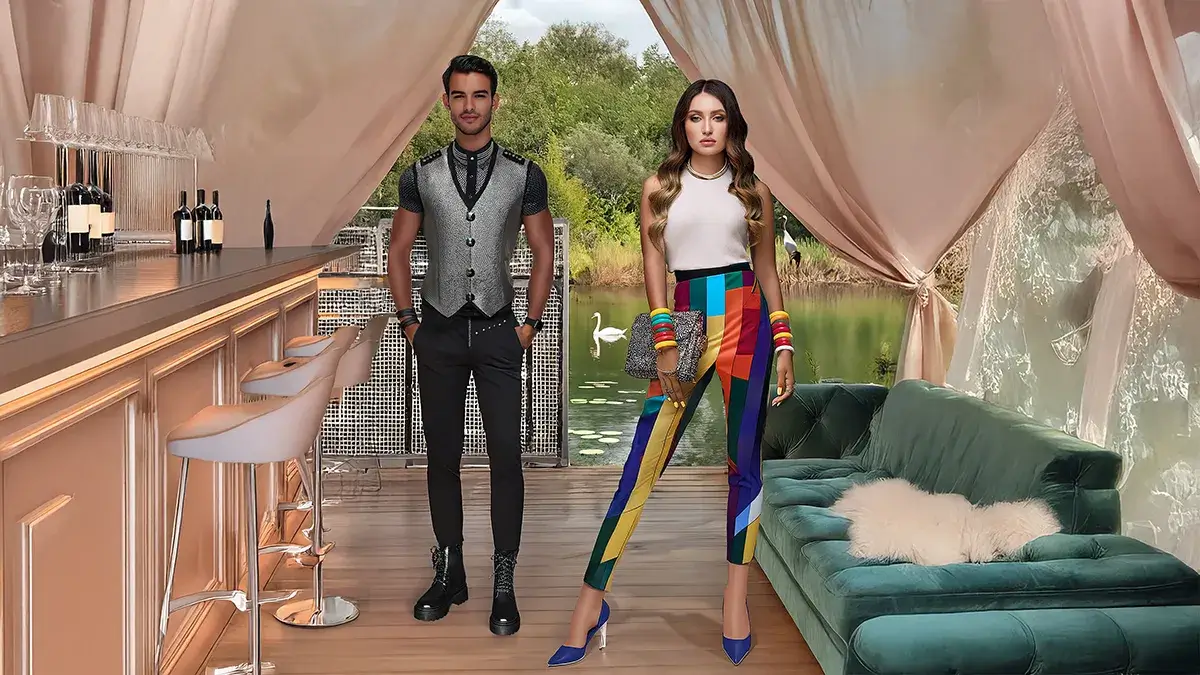
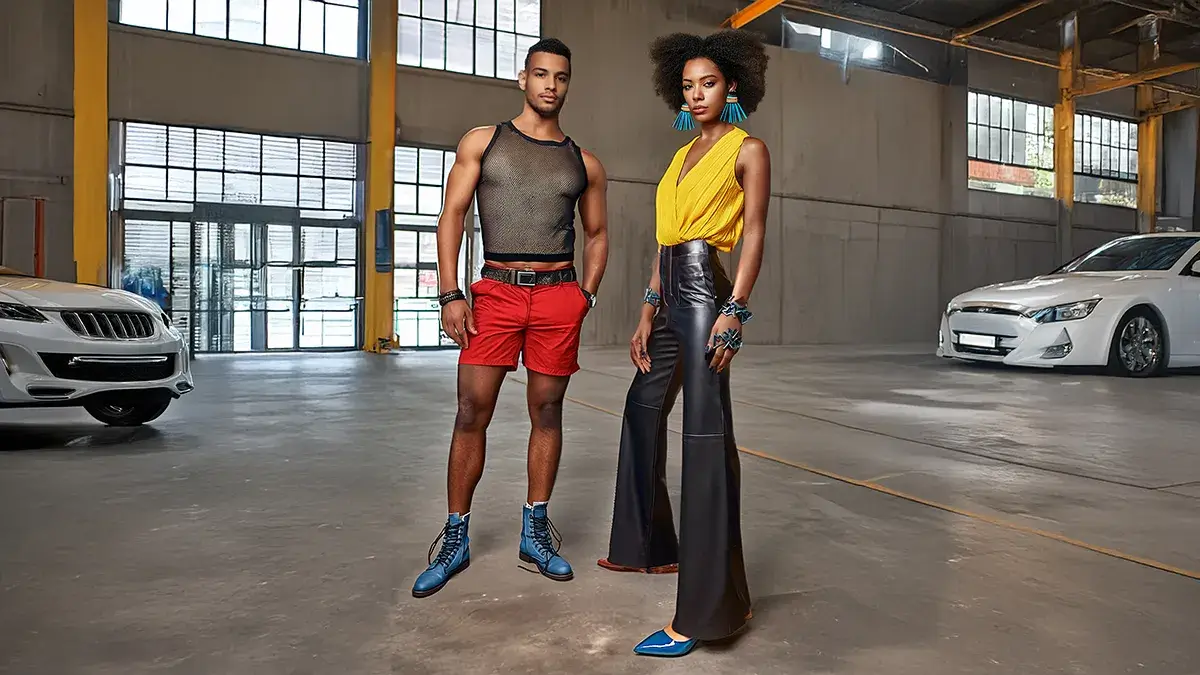
Goal: To inspire a collective spirit of resilience and care through building a new society with courage and compassion.
Bold, innovative designs: Embrace avant-garde fashion with asymmetrical cuts and experimental silhouettes to reflect the progressive spirit of Constructivism.
Bright, primary colors: Use a palette of red, blue, and yellow to convey energy, optimism, and a forward-thinking mindset.
Layered, multi-functional pieces: Design clothing that can be worn in various ways, symbolizing adaptability and resourcefulness.
Graphic prints and patterns: Incorporate abstract, geometric prints that echo the dynamic and futuristic aesthetics of Constructivism.
Eco-friendly and sustainable materials: Choose fabrics that are environmentally conscious to reflect a commitment to building a better future.
Statement accessories: Use bold, eye-catching accessories that represent innovation and social change, such as oversized jewelry and architectural bags.
Collaborative elements: Integrate designs that can be customized or altered by the wearer, symbolizing the collective effort in creating a better society.
© Sean August Horvath