Mentor
The Mentor is a guiding force, embodying wisdom, patience, and compassion. They possess an innate ability to nurture potential and inspire others to realize their capabilities. With a wealth of knowledge and experience, Mentors excel in offering support and encouragement, helping individuals navigate challenges and embrace growth. They are skilled listeners, able to discern the unique needs of those they guide, fostering an environment where trust and open communication thrive. Their encouraging nature motivates others to push beyond their limits and aspire to greater heights.
Mentors are often seen as role models, leading by example in both personal and professional realms. They display a deep-seated commitment to the success of others, investing time and energy into building meaningful relationships. Creativity and adaptability are hallmarks of the Mentor, allowing them to tailor their guidance to fit diverse personalities and situations. They take pride in celebrating the achievements of their mentees, recognizing that their support can be the catalyst for transformative change. Their legacy is not just the growth of individuals, but the ripple effect of positive influence cascading through communities and organizations.

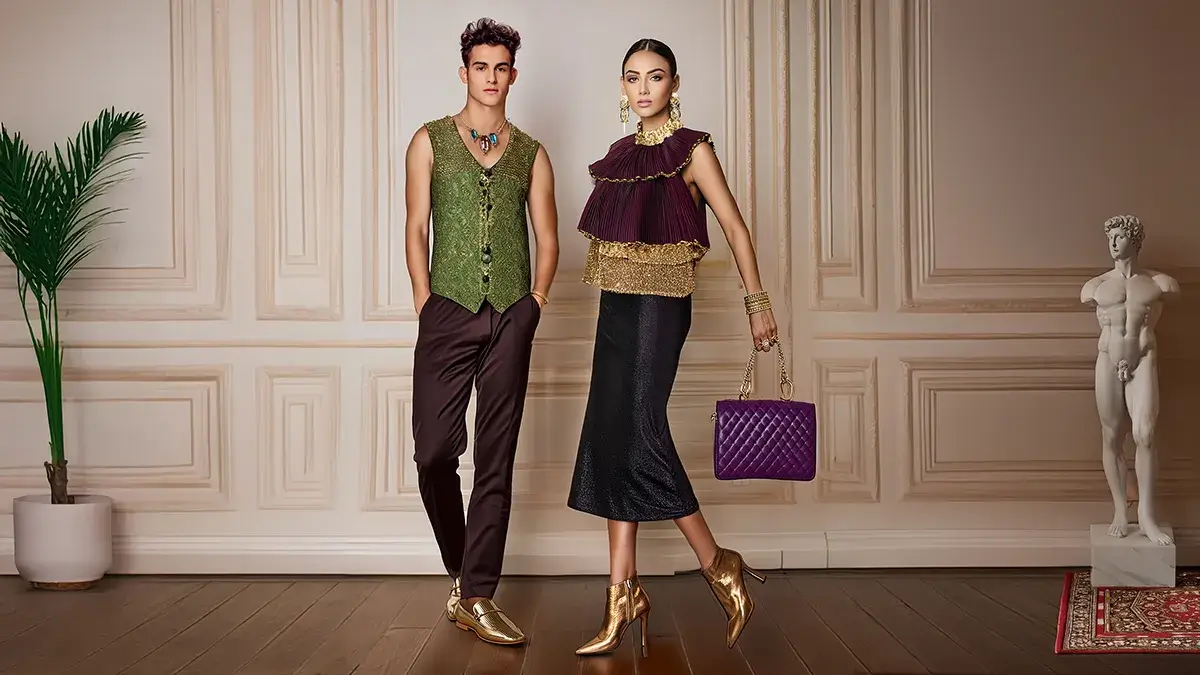
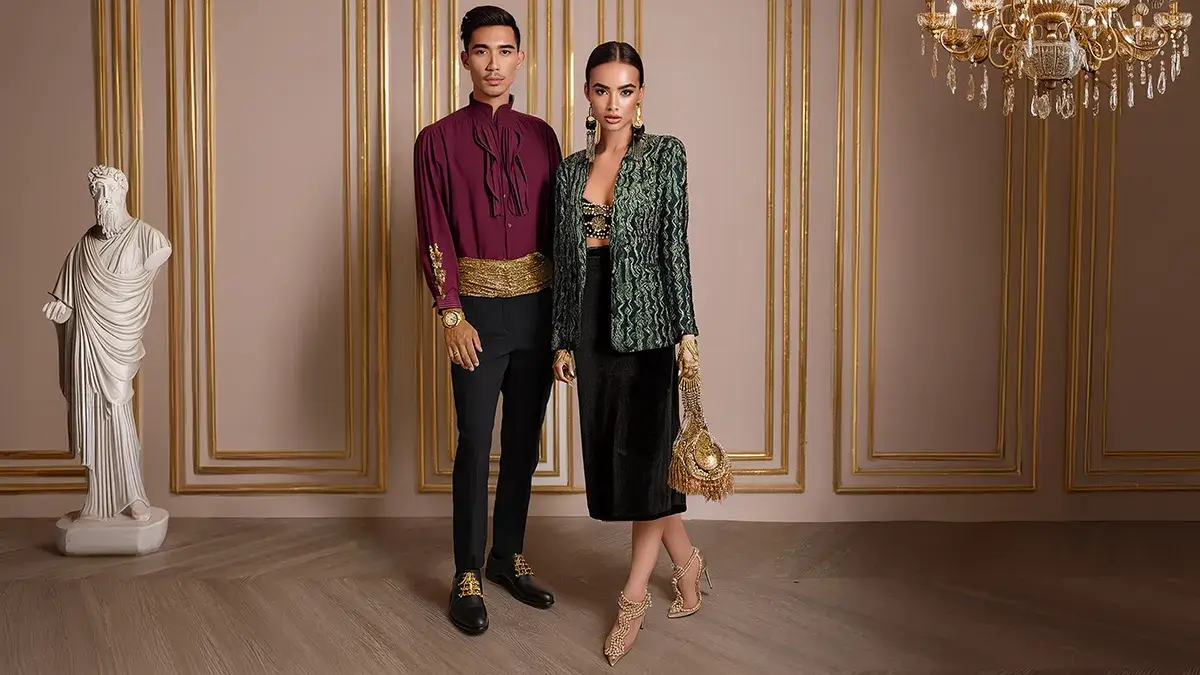
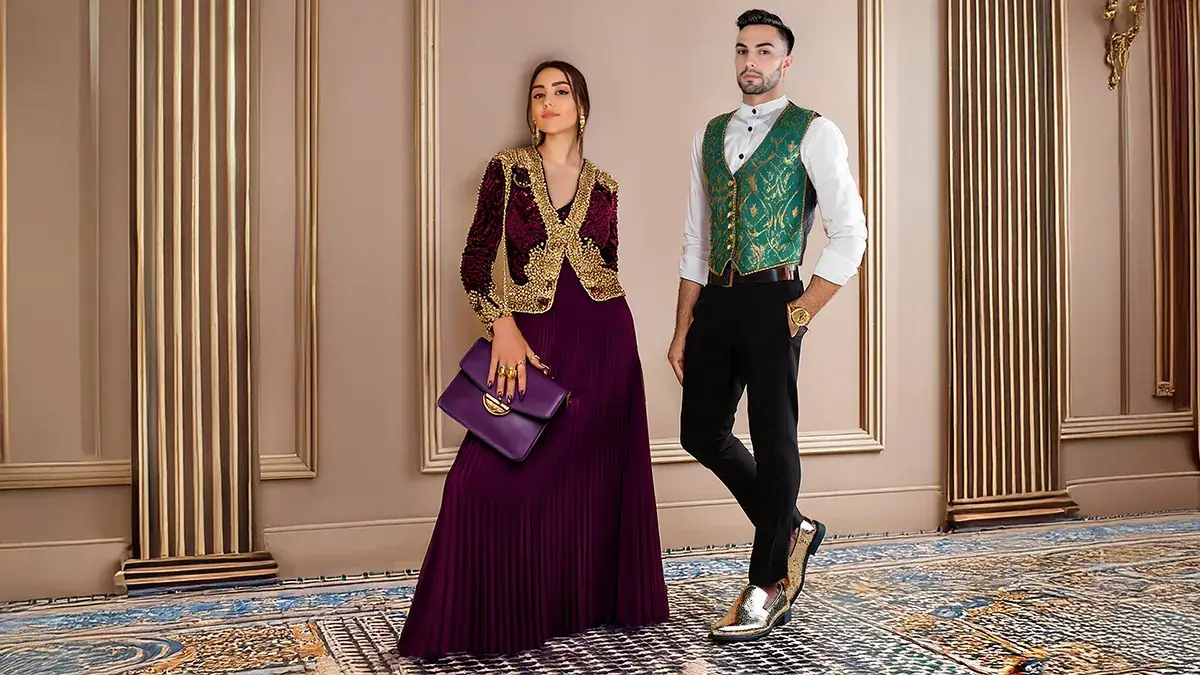
Goal: To establish a mutual understanding and set clear, achievable goals through grandeur and drama.
Ornate, detailed garments: Reflect the grandeur and drama of the Baroque movement with rich fabrics and intricate detailing.
Opulent fabrics: Choose materials like velvet, brocade, and silk to convey luxury and sophistication.
Deep, rich colors: Use a palette of deep reds, golds, and purples to evoke the richness of Baroque art.
Dramatic silhouettes: Opt for voluminous skirts, ruffled collars, and puffed sleeves to create a sense of drama and presence.
Statement accessories: Include bold jewelry, such as pearl necklaces, oversized earrings, and ornate headpieces, to enhance the opulent look.
Embellished details: Incorporate embroidery, lace, and beading to add texture and depth to the outfits.
Structured, tailored pieces: Balance the opulence with well-fitted garments to create a polished and authoritative appearance.
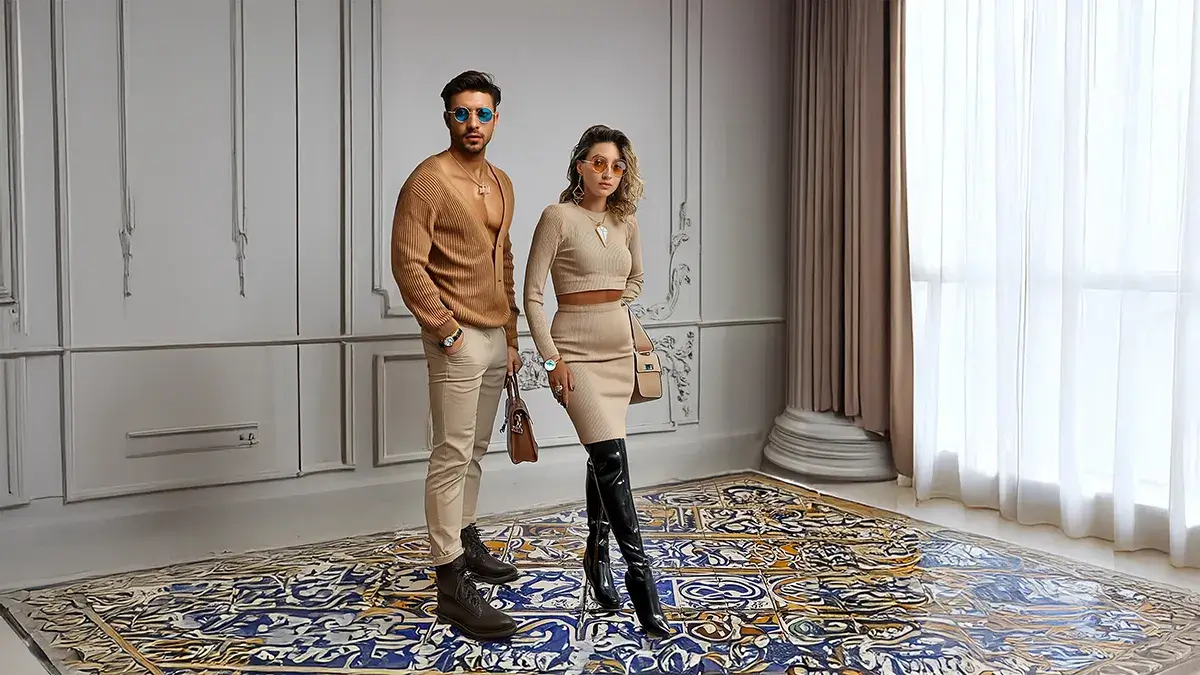
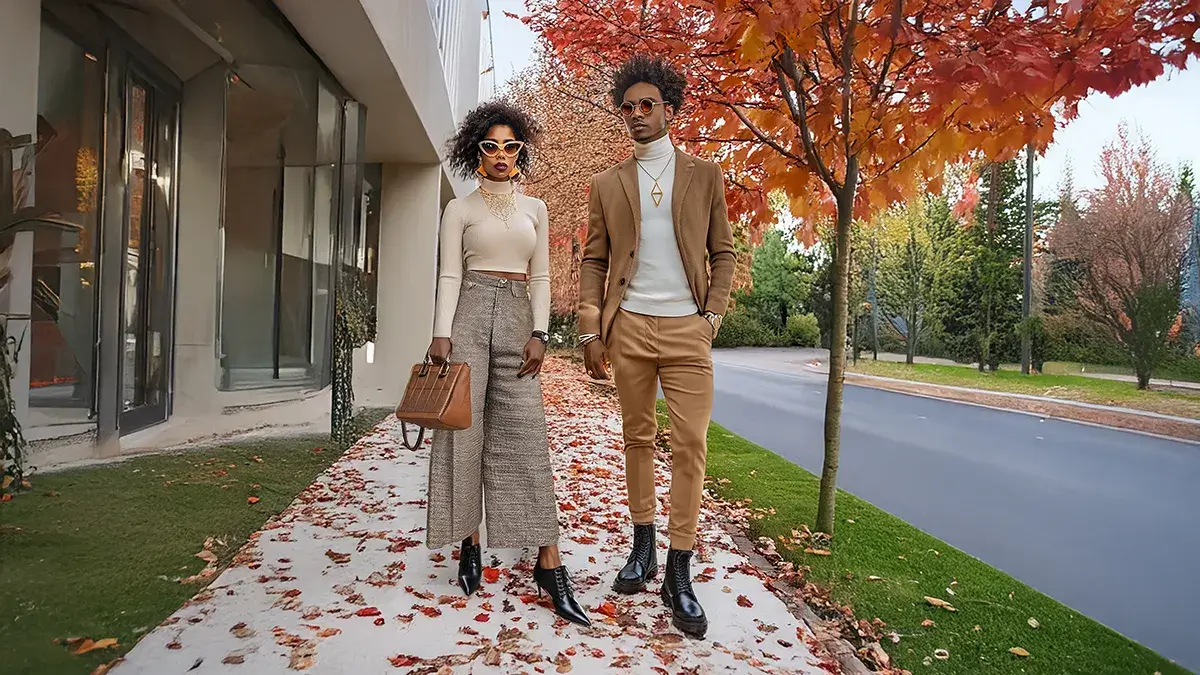
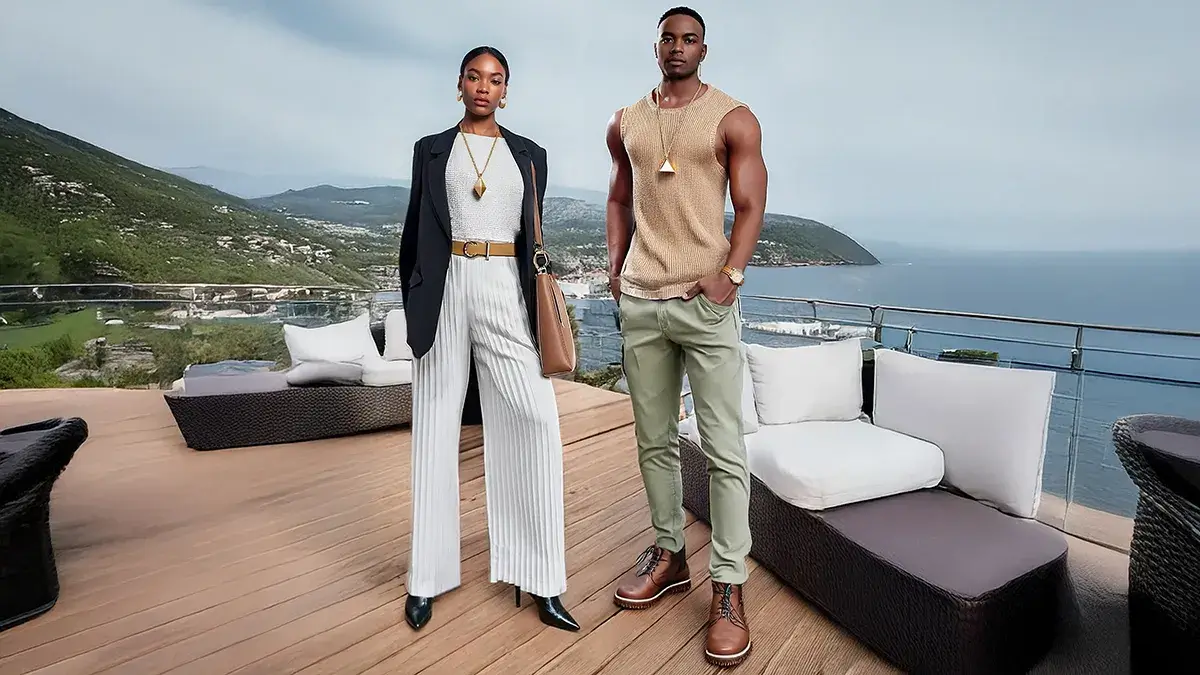
Goal: To deepen self-awareness and personal development through clean lines and functional beauty.
Minimalist designs: Focus on clean lines and simple silhouettes that reflect the functional beauty of Mid-Century Modern design.
Neutral color palette: Use shades of white, beige, gray, and black to create a timeless and versatile look.
Functional fabrics: Choose practical materials like cotton, wool, and linen for comfort and durability.
Streamlined accessories: Opt for sleek and simple accessories, such as leather belts, minimalist watches, and geometric jewelry.
Tailored pieces: Emphasize well-fitted garments that highlight the natural shape of the body.
Architectural influences: Incorporate elements inspired by Mid-Century Modern architecture, such as structured coats and jackets.
Versatile layering: Use layering techniques to create adaptable outfits suitable for various settings and occasions.
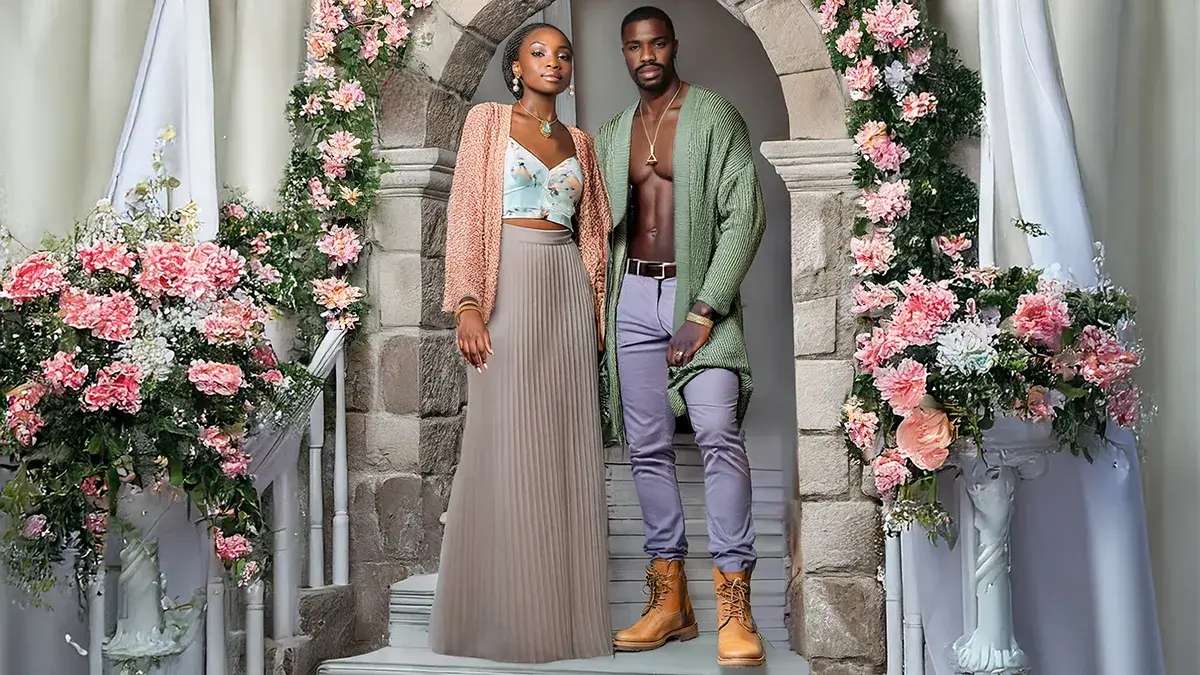
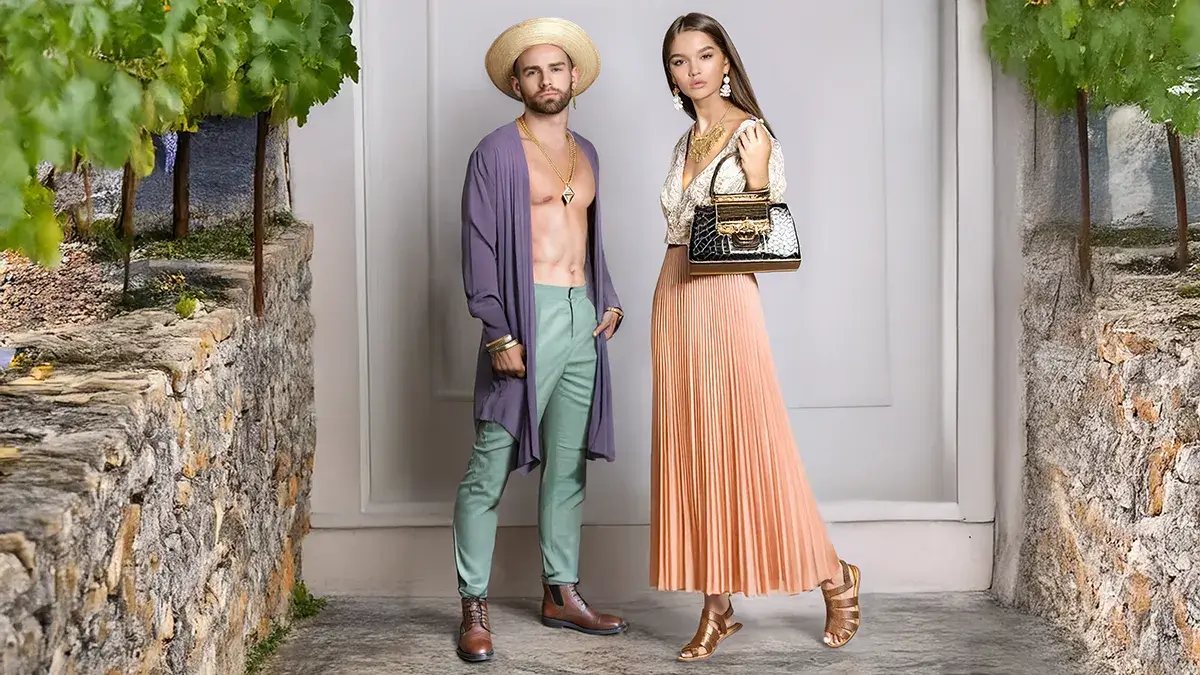
Goal: To reflect on progress and achievements through a deepened understanding and renewed sense of purpose.
Soft, flowing fabrics: Use lightweight materials like chiffon, silk, and organza to create a sense of movement and fluidity.
Pastel color palette: Incorporate soft hues of blues, pinks, greens, and yellows to reflect the gentle and serene nature of Impressionism.
Subtle patterns: Choose delicate floral prints and nature-inspired motifs to evoke the beauty of everyday moments.
Relaxed silhouettes: Opt for loose-fitting, comfortable garments that allow for ease of movement and relaxation.
Simple, elegant accessories: Include understated jewelry and accessories that complement the overall look without overpowering it.
Layered textures: Create depth and interest with layers of different textures and fabrics.
Light, airy designs: Focus on creating outfits that feel light and breezy, capturing the essence of Impressionist art.
© Sean August Horvath