Visionary
Visionaries are creative thinkers who possess an extraordinary ability to see beyond the present. They are characterized by their innovative ideas and their aspiration to bring about change. Driven by a strong sense of purpose, they are often idealistic, seeking to inspire others with their unique perspectives. Their forward-thinking approach enables them to identify opportunities where others may only see obstacles. Visionaries are skilled at envisioning long-term goals and are motivated by a desire to make a meaningful impact on the world.
With an innate curiosity and a thirst for knowledge, Visionaries are constantly seeking new information and experiences that fuel their imagination. They often gravitate towards unconventional paths and are not afraid to challenge the status quo. Their passion and enthusiasm can be contagious, igniting inspiration in those around them. However, Visionaries may struggle with the practicalities of implementation, as their minds sometimes race ahead of reality. Despite this challenge, their ability to dream big and push boundaries sets them apart and often drives progress in various areas of life.
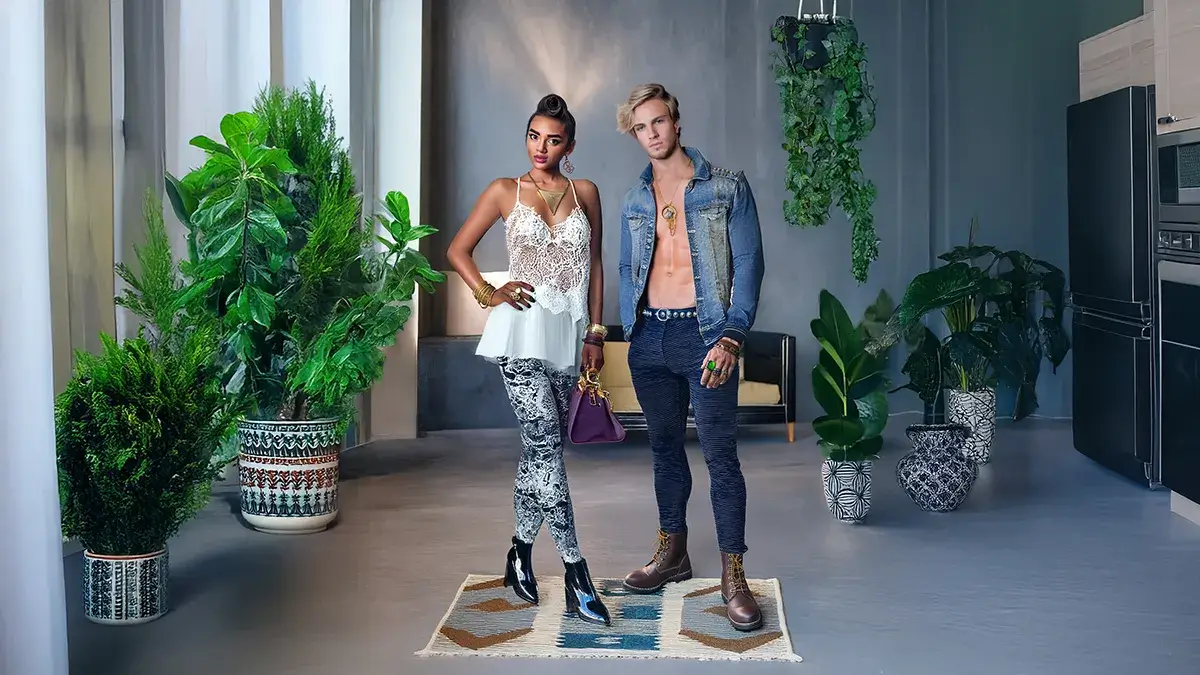
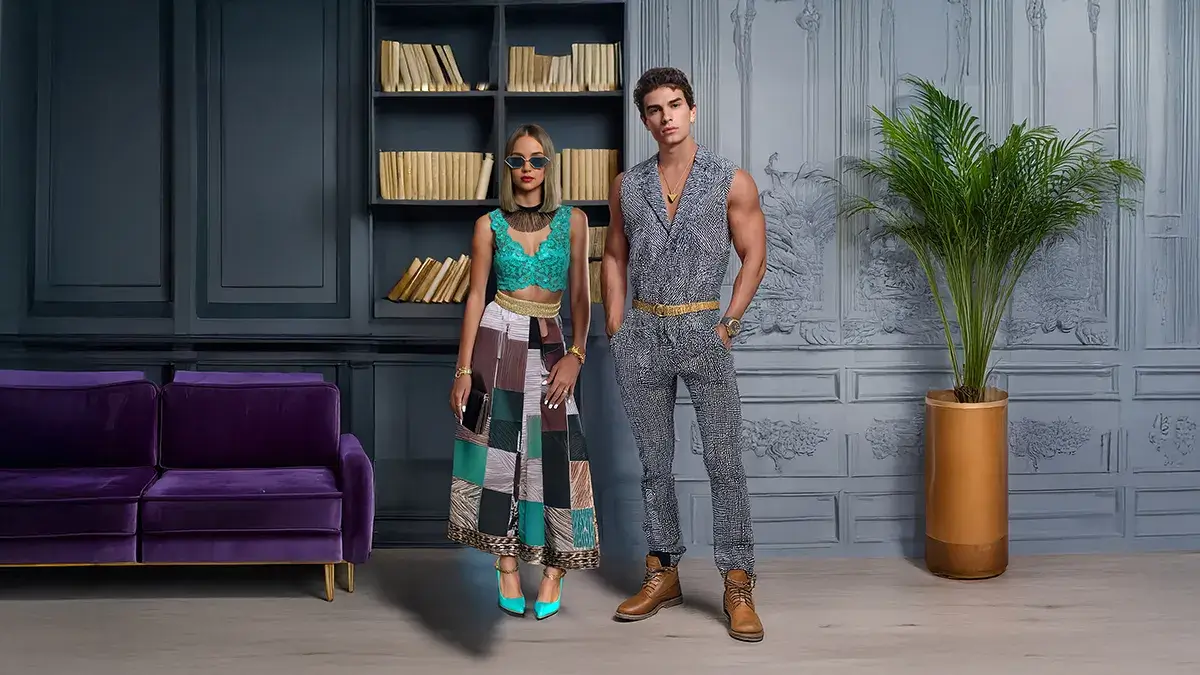
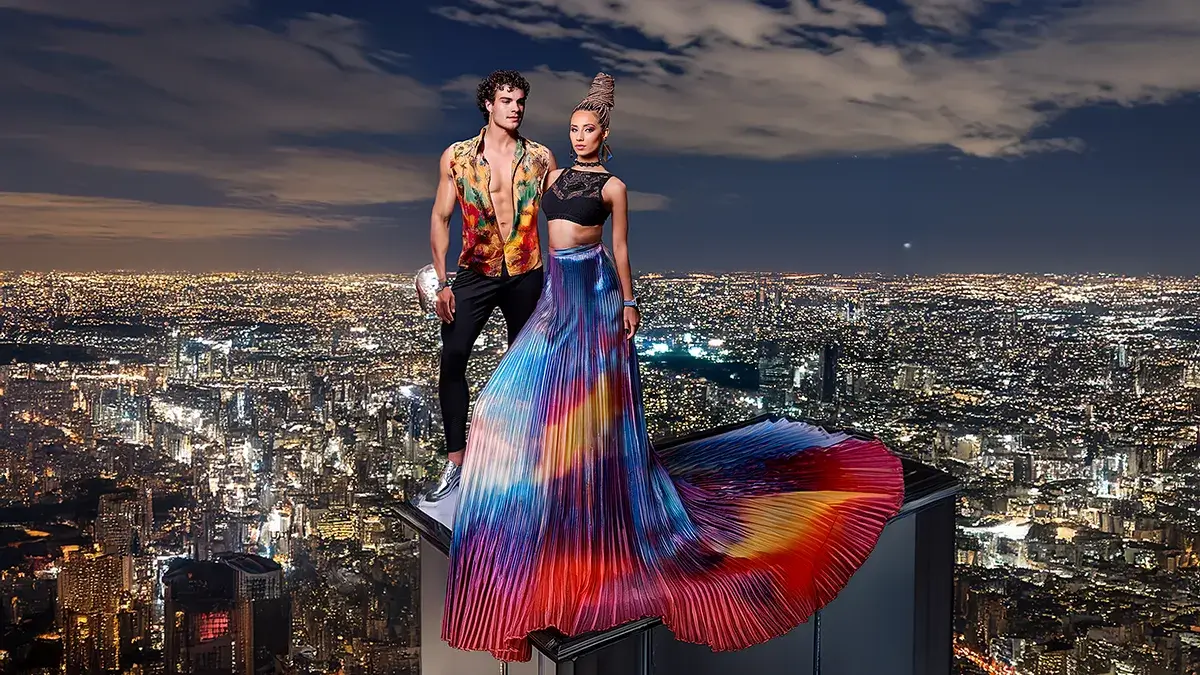
Goal: To foster personal growth through deep introspection and creative exploration.
Eccentric, avant-garde designs: Incorporate unexpected elements and playful silhouettes to mirror the dreamlike qualities of Surrealism.
Juxtaposed fabrics: Combine contrasting textures like silk with denim or velvet with lace to create a surreal, otherworldly look.
Vivid, contrasting colors: Use bright, bold colors and contrasting tones to evoke the emotional intensity and dreamlike nature of Surrealist art.
Unconventional accessories: Integrate unique accessories such as oversized hats, whimsical jewelry, and surrealistic prints to add an element of surprise.
Layered pieces: Layer clothing in unexpected ways, creating depth and a sense of mystery, much like the layers of meaning in Surrealist works.
Abstract patterns: Incorporate surreal and abstract motifs in clothing to represent exploration of the subconscious.
Fluid, flowing garments: Use fabrics that move with the body, symbolizing the fluidity of dreams and imagination.
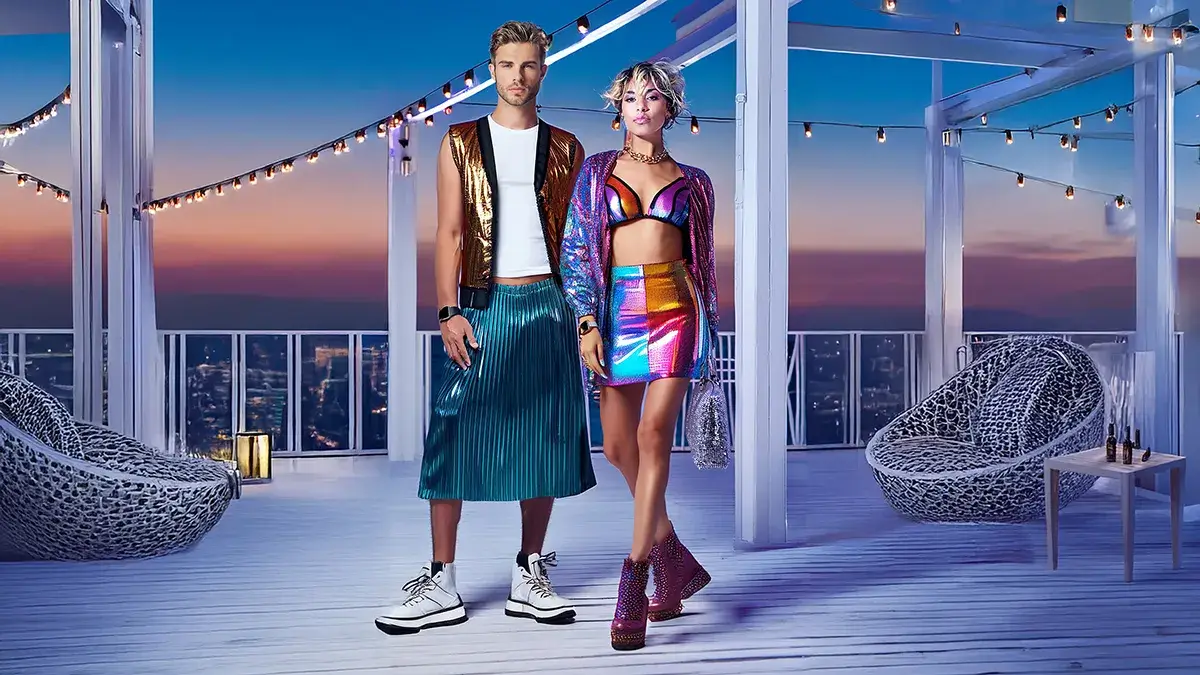
Goal: To articulate grand visions and convey complex concepts through innovative and fragmented forms.
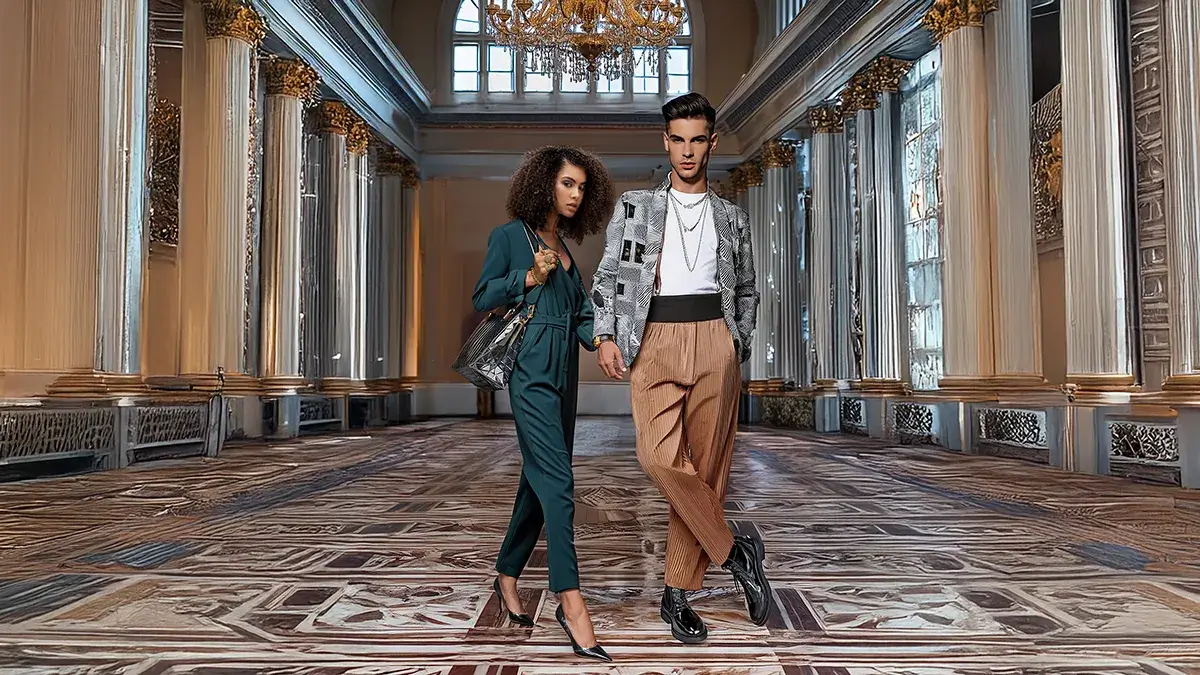
Geometric patterns: Use bold geometric shapes and prints to reflect the fragmented, abstract nature of Cubism.
Structured silhouettes: Choose clothing with sharp lines and structured cuts to mimic the precision and angularity of Cubist art.
Monochromatic and muted color palettes: Utilize shades of gray, black, and muted tones, occasionally accented with bright colors, to represent the analytical and thoughtful aspects of Cubism.
Mixed media elements: Incorporate different fabrics and textures in a single outfit, much like how Cubist artists used various materials in their works.
Layered garments: Layer clothing in a way that creates depth and dimension, representing the multiple perspectives seen in Cubist art.
Abstract accessories: Use accessories that feature abstract shapes and forms to enhance the overall theme.
Architectural influences: Draw inspiration from architecture in clothing design, emphasizing structure and form.
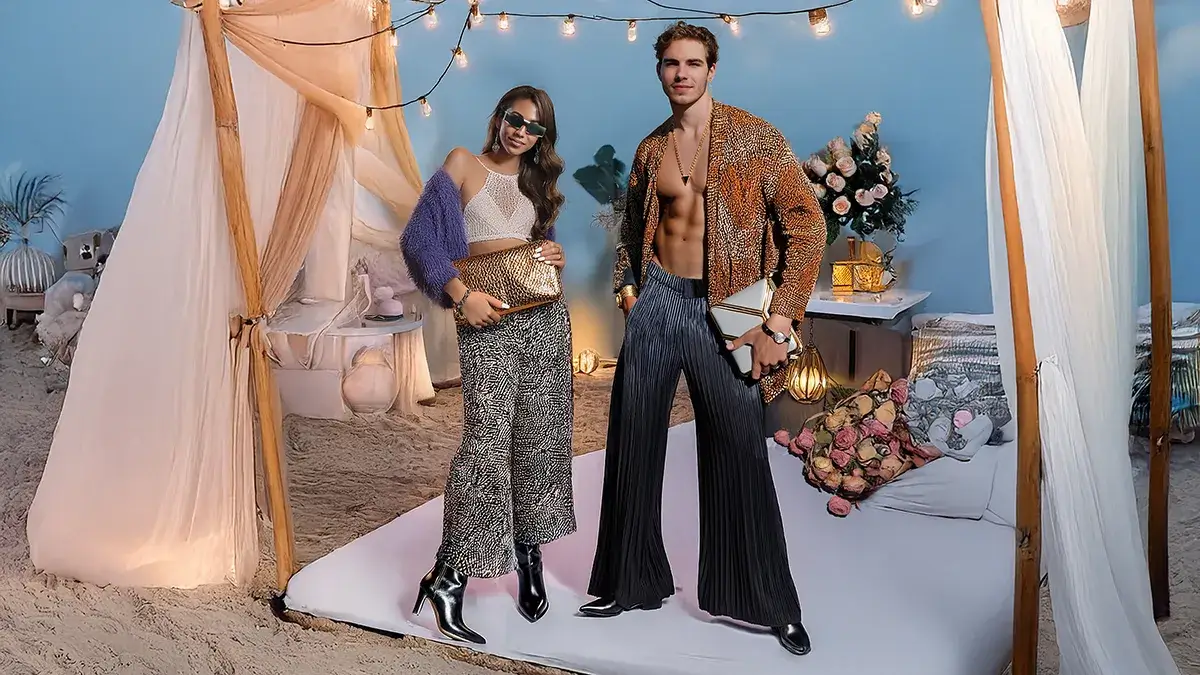
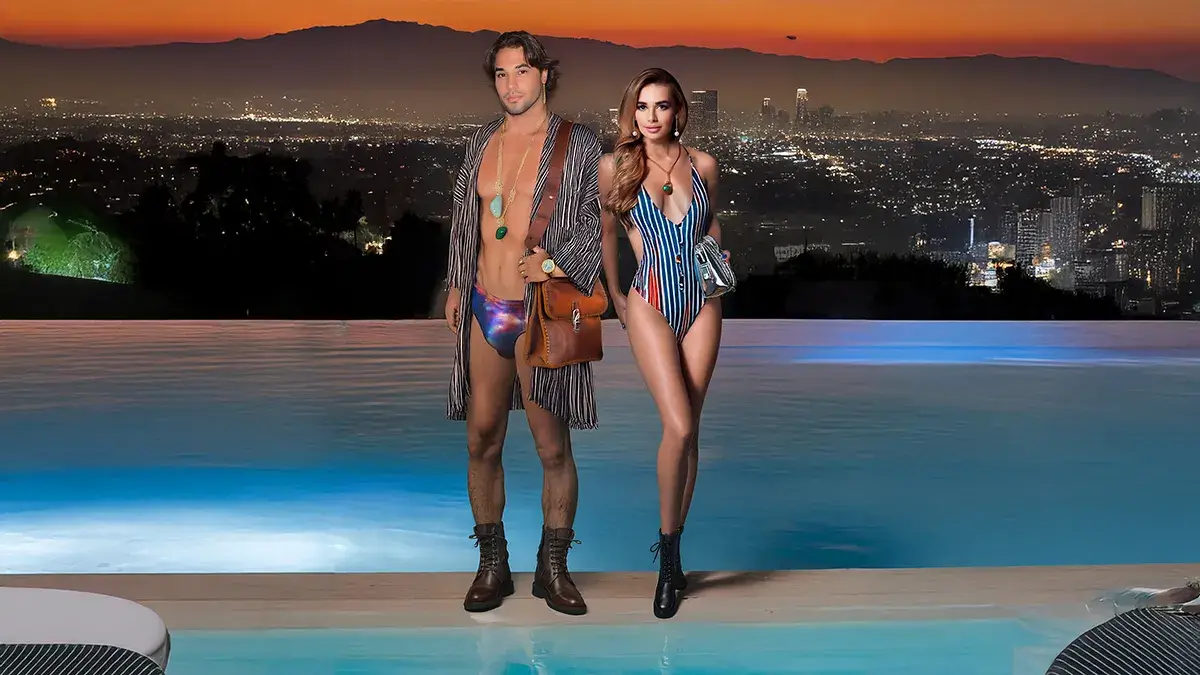
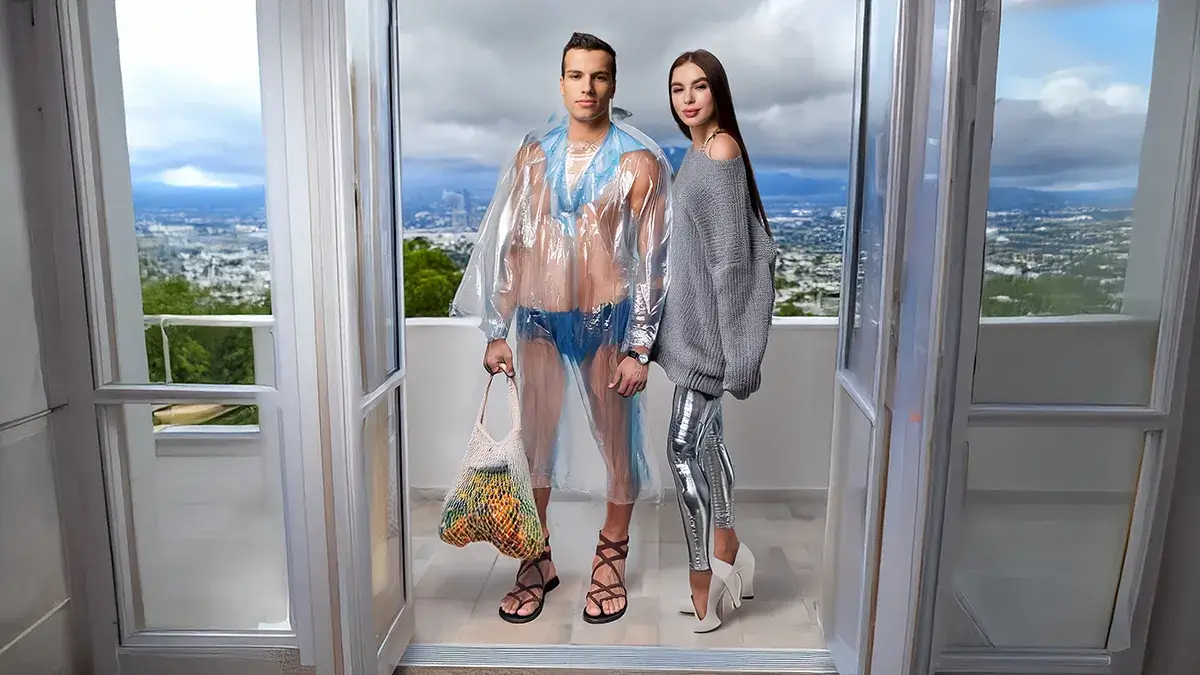
Goal: To bring innovative ideas to life through practical implementation and forward-thinking designs.
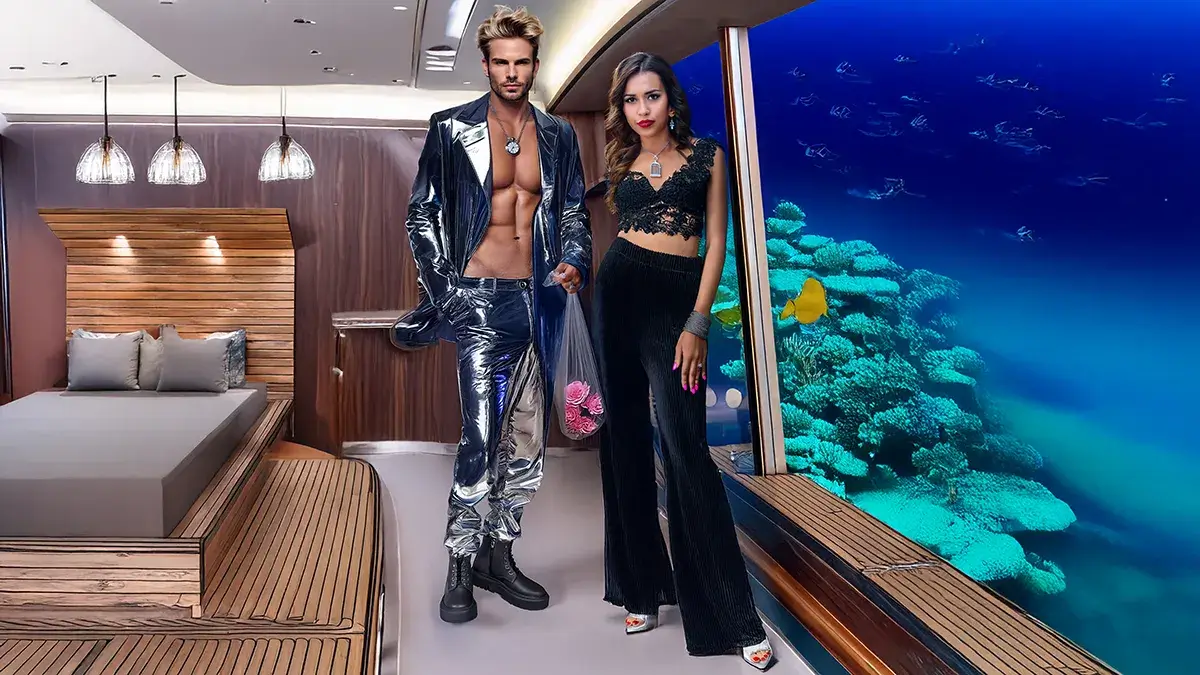
Sleek, modern silhouettes: Choose streamlined, aerodynamic designs that evoke a sense of movement and speed, characteristic of Futurism.
Metallic and reflective fabrics: Use materials like silver, chrome, and iridescent fabrics to represent the futuristic and technological aspects of Futurism.
Bold, dynamic colors: Incorporate strong, vibrant colors such as electric blue, neon green, and bright red to convey energy and dynamism.
Innovative materials: Experiment with cutting-edge fabrics and technologies, like smart textiles or eco-friendly materials, to push the boundaries of fashion.
Functional accessories: Include accessories that are not only stylish but also functional, like utility belts, tech-integrated items, and ergonomic designs.
Asymmetrical designs: Use asymmetry in clothing to create a sense of movement and forward momentum.
Minimalist details: Focus on clean lines and minimalistic details to emphasize the efficiency and clarity of Futurist design principles.
© Sean August Horvath