Caregiver
The Caregiver personality type is characterized by a deep sense of compassion and a strong desire to nurture and support others. Individuals with this personality often find fulfillment in helping those around them, whether through emotional support, caregiving, or acts of kindness. They possess a natural empathy that enables them to connect with others on an emotional level, making them highly attuned to the needs and feelings of those in their care.
Caregivers are often selfless, prioritizing the well-being of others above their own needs. This selflessness can be both a strength and a challenge; while their dedication fosters strong relationships and builds trust, it can also lead to feelings of burnout or neglect of their own needs. They thrive in environments where cooperation and teamwork are valued, often taking on the role of mediator or peacemaker to ensure harmony among group members.
Their nurturing nature extends beyond personal relationships to their professional lives as well, often gravitating towards roles in healthcare, education, and social services. Caregivers are known for their reliability and patience, as they take the time to listen and respond thoughtfully to the concerns of others. Their intrinsic motivation to alleviate suffering and promote well-being often inspires those around them, creating a positive and supportive atmosphere wherever they go.
Despite their inclination to care for others, Caregivers must remember to take time for self-care. Balancing their own needs with those of others is essential for maintaining their emotional health and preventing the potential pitfalls of overextension. When they succeed in this balance, they can continue to offer the warmth, compassion, and steadfast support that define their personality.

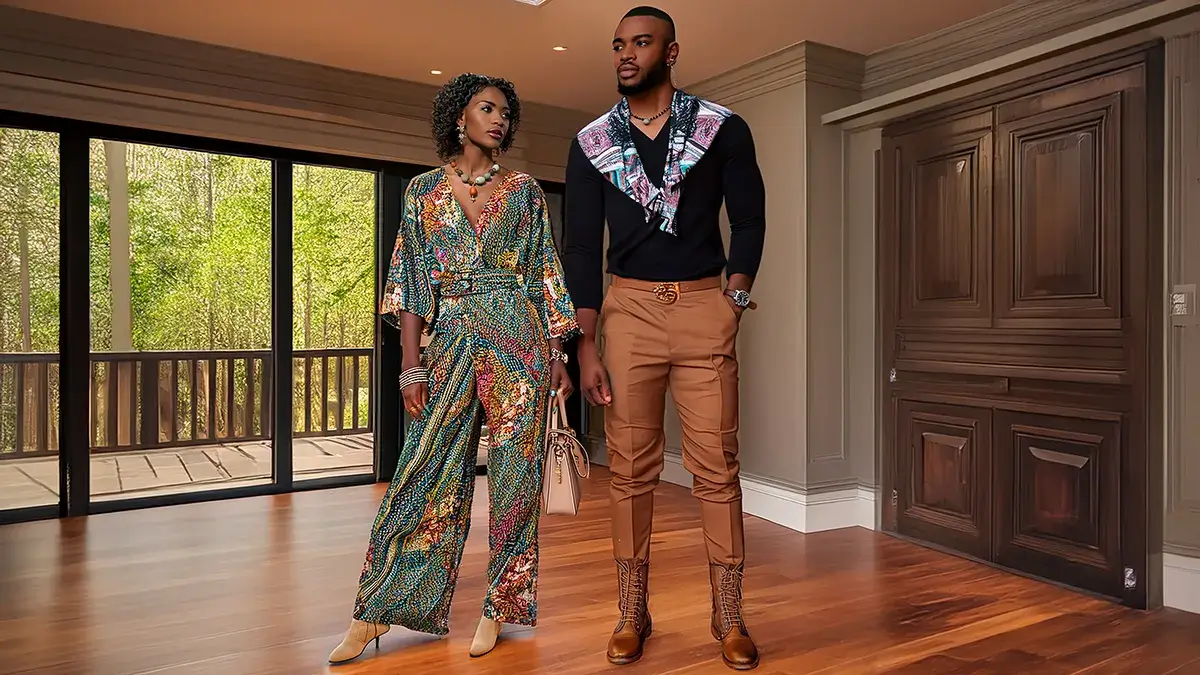

Goal: To establish trust and communication through bold, expressive, and compassionate style.
Bold, vibrant colors: Incorporate bright and expressive hues like red, orange, and cobalt blue to symbolize the energy and passion of caregiving.
Flowing, comfortable fabrics: Use materials like cotton, linen, and jersey that allow for easy movement and comfort during caregiving activities.
Simple, practical designs: Opt for straightforward silhouettes that are easy to wear and maintain, ensuring practicality in daily caregiving tasks.
Comfortable footwear: Choose supportive and comfortable shoes that are ideal for long hours on their feet.
Minimalist accessories: Include simple, functional accessories like tote bags and scarves that add a touch of style without hindering movement.
Layered outfits: Create adaptable outfits that can be layered to accommodate changing temperatures and environments.
Expressive patterns: Incorporate bold, abstract patterns that reflect the caregiver’s vibrant personality and commitment to their role.

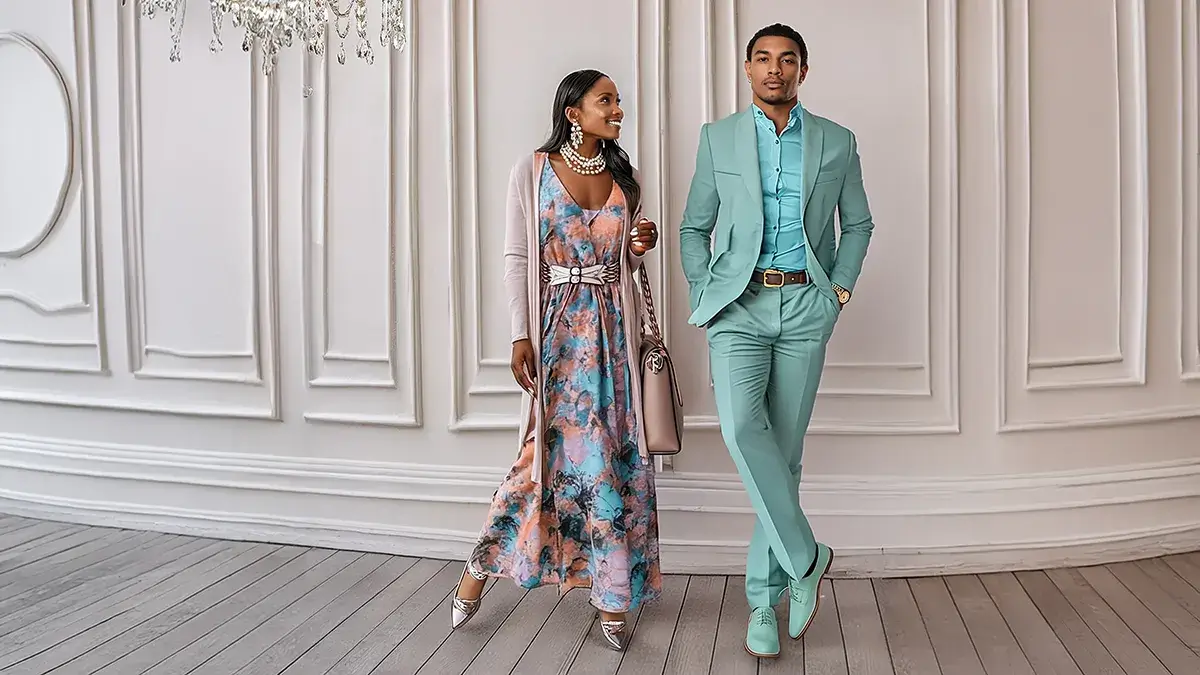

Goal: To enhance empathy and communication through a soft, nurturing, and empathetic style.
Pastel color palette: Use soft, gentle hues like lavender, peach, and mint green to evoke calm and serenity.
Delicate, textured fabrics: Incorporate materials like lace, chiffon, and silk to create a nurturing and comforting feel.
Light, airy silhouettes: Opt for garments that flow and drape softly, providing a sense of ease and relaxation.
Floral and nature-inspired prints: Choose prints that reflect the beauty of nature and foster a peaceful atmosphere.
Comfortable, yet elegant footwear: Select shoes that are both stylish and supportive, ensuring comfort during caregiving activities.
Functional yet stylish outerwear: Include light cardigans and shawls that provide warmth and can be easily removed or added.
Subtle, understated accessories: Incorporate delicate jewelry and accessories that add a touch of elegance without overwhelming the look.



Goal: To embrace self-acceptance and resilience through a sophisticated and self-empowering style.
Rich, earthy tones: Use a palette of deep greens, warm browns, and muted golds to reflect stability and resilience.
Structured, tailored pieces: Opt for well-fitted garments that convey confidence and strength.
High-quality fabrics: Choose materials like wool, cashmere, and silk blends for a luxurious feel that promotes self-care.
Art-inspired prints: Incorporate prints that reflect the Post-Impressionist focus on emotional depth and personal expression.
Functional yet stylish bags: Select bags that are practical for carrying essentials but also add a touch of sophistication.
Comfortable, elegant shoes: Choose footwear that combines style with support, ensuring caregivers can move confidently throughout their day.
Statement accessories: Include bold, meaningful accessories that reflect the caregiver’s journey and commitment to both their loved ones and themselves.
© Sean August Horvath